
Convertible Cars in 2026: Experience, Technology and Business Considerations
Convertible cars in 2026 occupy a distinctive intersection of engineering innovation, digital connectivity and emotional appeal, and they continue to command attention from investors, founders, mobility strategists and technology leaders who follow market developments through platforms such as Digipdemo. No longer perceived solely as leisure-oriented lifestyle products, convertibles have matured into sophisticated, software-defined vehicles that integrate advanced safety systems, electrified powertrains, connected services and data-driven user experiences. For organizations operating across the United States, Europe, Asia-Pacific, Africa and the Americas, understanding how convertibles fit into the evolving mobility ecosystem has become a strategic consideration that touches on product portfolio design, customer experience management, sustainability commitments and brand differentiation, particularly as the automotive sector converges with AI, finance, digital platforms and the broader technology economy.
Historical Evolution: From Phaetons to Intelligent Roof Architectures
The modern convertible traces its lineage back to the open phaeton carriages of the early 20th century, which offered minimal weather protection and rudimentary construction but delivered a strong sense of freedom and direct engagement with the environment. Over time, as automotive engineering standards rose and regulatory frameworks tightened across North America, Europe and Asia, manufacturers refined these open vehicles into structurally robust, aerodynamically efficient and safety-compliant body styles. The introduction of the first retractable hardtop concepts in the 1920s and the pioneering power-operated retractable roof by Peugeot in the 1930s marked turning points, demonstrating that mechanical complexity and user convenience could coexist in a single product.
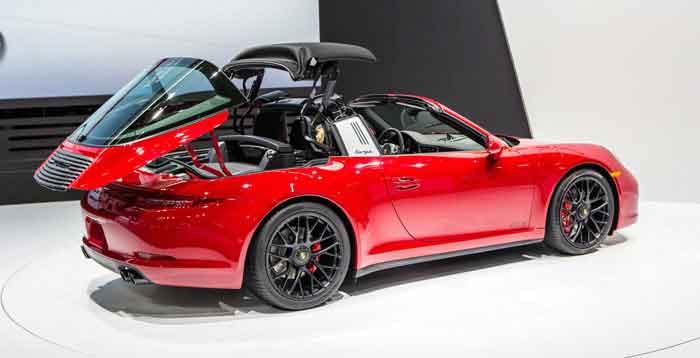
By 2026, roof systems in convertibles have become highly integrated mechatronic platforms that blend mechanical linkages, sensor networks, electric actuators and embedded software. Brands such as BMW, Mercedes-Benz, Audi and Tesla have invested heavily in multi-layer acoustic soft tops, lightweight composite hardtops and refined sealing systems that aim to deliver coupe-like refinement when closed and an immersive open-air experience when retracted. Many of these systems are now managed by centralized vehicle controllers that coordinate window positions, wind deflectors, climate settings and even seat heating profiles, often updated via over-the-air software upgrades that refine operation speed, noise characteristics and energy consumption. For professionals examining digital feature integration on Digipdemo's feature overview, the modern convertible roof offers a clear case of how once purely mechanical components are being reimagined as configurable, data-rich subsystems within the broader software-defined vehicle architecture.
The Human Experience: Emotional Value and Practical Utility
While technological sophistication continues to advance, the core appeal of convertibles remains anchored in human experience and emotional value. With the roof open, drivers and passengers enjoy an unobstructed connection to the surrounding environment, whether they are navigating coastal highways in California, the south of France or Australia, cruising along urban waterfronts in Singapore, Vancouver or Barcelona, or exploring scenic routes in Germany, Italy, Japan or South Africa. The absence of a fixed roof line alters the perception of space, light and sound, creating a sense of openness that many users describe as uniquely liberating compared with traditional sedans or SUVs.
In practical terms, the retractable roof can improve all-round visibility in dense urban settings, a factor that drivers in London, New York, Berlin, Tokyo and Seoul often appreciate when maneuvering through tight streets and complex intersections. Taller occupants benefit from the additional headroom and the feeling of airiness when the roof is down, while the ability to carry tall or bulky items with the roof retracted can, in some cases, add unexpected utility. For businesses in hospitality, tourism, luxury retail and premium mobility services, convertibles function as rolling brand touchpoints: arriving guests in an open-top vehicle at a resort in Thailand, a vineyard in Italy or a financial conference in Dubai experience a powerful emotional signal about the host brand's values and attention to detail. Organizations seeking to align such experiential elements with their digital presence can learn more about Digipdemo's positioning and mission, where the emphasis on curated experiences and trustworthy information parallels the emotional journey associated with open-air driving.
Contemporary Advantages: Technology, Comfort and Everyday Versatility
The advantages of convertibles in 2026 extend far beyond their visual impact. Advances in materials science, acoustic engineering and climate management have transformed the day-to-day usability of these vehicles, making them viable options for a wider range of climates and use cases. Multi-layer fabric roofs with integrated sound insulation, combined with sophisticated door and window seals, reduce wind and road noise to levels comparable with many fixed-roof vehicles, particularly at urban and suburban speeds. When paired with adaptive climate control, heated seats, steering wheels and neck-level heating systems, drivers in colder regions such as Scandinavia, Canada, the northern United States and parts of Central Europe can comfortably enjoy open-top driving across more seasons than was previously possible.
Convertible platforms in 2026 are often derived from high-volume global architectures that also underpin sedans, crossovers and compact SUVs. This shared engineering foundation allows manufacturers to integrate advanced driver assistance systems, AI-enhanced navigation, connected infotainment, digital key solutions and over-the-air update capabilities without sacrificing structural integrity or occupant safety. For fleet operators, corporate mobility managers and high-net-worth individuals, this means that choosing a convertible no longer implies compromising on connectivity, driver assistance or data security. Those comparing digital feature sets and user experience patterns across vehicle categories can explore how such capabilities are contextualized on Digipdemo's features page, where reliability, usability and long-term trust are central evaluation criteria.
In urban environments from New York and Chicago to Paris, Amsterdam, Singapore and Hong Kong, convertibles can also offer subtle ergonomic advantages. With the roof down, ingress and egress may be easier in tight parking spaces or low-ceiling garages, and the ability to open the cabin vertically rather than solely via side doors can be useful for passengers with limited mobility or when loading irregular cargo. These seemingly minor benefits can be relevant for premium ride services, boutique rental firms and hospitality fleets that prioritize guest comfort and differentiation in crowded markets.
Economic and Engineering Trade-Offs: Cost, Efficiency and Capital Allocation
From a financial and engineering perspective, convertibles inevitably involve trade-offs that decision-makers must evaluate carefully. The absence of a fixed roof requires substantial structural reinforcement in the floorpan, sills, cross-members and bulkheads to meet safety and rigidity standards in markets such as the United States, United Kingdom, Germany, China and Japan. These reinforcements add weight and complexity, which in turn increase manufacturing costs and often translate into higher retail prices compared with equivalent coupes or sedans. In premium and luxury segments, the price delta can remain significant, influencing total cost of ownership calculations for both private buyers and corporate fleets.
Weight penalties and altered aerodynamics also affect efficiency. Even with progress in lightweight materials such as high-strength steel, aluminum and composites, convertibles typically exhibit slightly higher energy consumption than their fixed-roof counterparts, particularly when driven at highway speeds with the roof down. For electric and plug-in hybrid convertibles, increased aerodynamic drag can reduce effective driving range, which has implications for charging infrastructure planning and route design in regions with sparse fast-charging networks, such as parts of Africa, South America and rural Asia. Businesses and individuals focused on sustainable mobility and ESG-aligned investment strategies must therefore consider how often open-top driving will be used, how the vehicle will be charged or fueled, and how these patterns align with corporate sustainability goals and reporting frameworks. Those exploring structured decision support for complex purchases can visit Digipdemo's main site to understand how curated digital experiences can help users compare options in a transparent, data-informed manner.
At the capital allocation level, automotive manufacturers and mobility startups must decide whether to maintain, expand or reduce convertible offerings in their portfolios. As global markets shift toward electrification, autonomous driving and shared mobility models, the relative volume of convertible sales remains modest, yet these vehicles often deliver outsized brand impact, media visibility and customer engagement. Founders, investors and corporate strategists must balance the lower scale and higher per-unit costs against the marketing value and customer loyalty associated with these halo products, especially in key markets such as the United States, United Kingdom, Germany, China and the Gulf region.
Weather, Durability and Maintenance in a Volatile Climate
Climate volatility has become a critical consideration for convertible ownership and fleet management, particularly as extreme weather events increase in frequency across North America, Europe, Asia and Africa. While modern convertibles employ advanced sealing technologies, drainage systems and UV-resistant fabrics, achieving the same long-term watertight integrity as a fixed-roof vehicle remains challenging, especially in regions with heavy rainfall, frequent snow or high UV exposure such as Florida, the Mediterranean, Southeast Asia, Australia and South Africa. Over time, fabric tops can fade, stitching can degrade and rubber seals can lose elasticity, leading to potential water ingress, wind noise and interior wear.
Proactive maintenance is therefore essential. Regular cleaning and conditioning of fabric roofs, inspection of seals and drainage channels, and timely replacement of worn components can significantly extend the functional lifespan of a convertible. In markets such as Germany, Switzerland, Japan and the Nordic countries, where owners often keep vehicles for many years, adherence to maintenance best practices can materially influence residual values and long-term cost of ownership. Sudden weather changes pose additional operational risks: a brief but intense thunderstorm in Singapore or Kuala Lumpur, an unexpected hail event in the U.S. Midwest, or rapid temperature shifts in continental Europe can expose interiors to water damage if the roof is not raised in time. Although many 2026 models allow roof operation at low speeds, drivers must still prioritize safety when pulling over, and fleet operators should incorporate clear protocols and training to mitigate these risks.
Content platforms and digital service providers, including Digipdemo, increasingly recognize the value of delivering practical, region-specific guidance to help owners and operators manage these challenges. Seasonal checklists, maintenance reminders, and curated links to reputable technical resources can support informed, proactive care of convertible fleets and privately owned vehicles. Organizations interested in co-developing such tools or content that aligns with user-centric, trust-oriented principles can contact Digipdemo directly to explore collaborative opportunities that emphasize transparency and long-term value for readers and customers.
Security, Safety and Risk Management in Urban and Global Contexts
Security remains a central concern for convertibles, particularly those with soft tops, in urban environments such as Los Angeles, London, Paris, Johannesburg, São Paulo and Bangkok. Fabric roofs, even when reinforced with multi-layer construction and embedded tensioning elements, are inherently more vulnerable to opportunistic intrusion than solid metal roofs. As a result, best practice continues to advise against leaving valuables visible in the cabin and encourages the use of lockable storage compartments, gloveboxes and trunks wherever possible. Insurance companies in many regions factor this elevated risk into policy pricing and conditions, especially for high-end models operating in city centers.
To mitigate these risks, manufacturers have implemented more sophisticated alarm systems, interior motion sensors, glass-break detection and connected security features that integrate with smartphone applications. In 2026, many convertibles can send real-time alerts to owners or fleet managers when unauthorized entry is detected, and some systems allow remote locking, location tracking and, in limited cases, immobilization via secure digital channels. These connected features align with the broader shift toward telematics-driven risk management across the automotive and insurance sectors, where data on vehicle usage, location and security events informs underwriting and claims processes.
From a safety standpoint, convertibles now benefit from the same rigorous engineering and regulatory oversight as other passenger vehicles. Rollover protection in the form of fixed roll bars, reinforced windshield frames or deployable rollover hoops is standard in most major markets, and extensive use of computer-aided engineering, crash simulations and physical testing ensures compliance with stringent crashworthiness requirements. Advanced driver assistance systems, including lane-keeping support, adaptive cruise control, collision avoidance and pedestrian detection, are widely available, often enhanced by AI-based perception and decision-making algorithms that continue to evolve through software updates. For risk-sensitive organizations and corporate mobility programs, these developments mean that convertibles can be incorporated into fleets with a clear understanding of their safety performance, provided that vehicles are specified correctly and maintained according to manufacturer guidelines.
Professionals seeking to benchmark safety, security and digital ecosystem features across different brands and markets can benefit from curated directories and reference collections. Many such resources, including external industry bodies, standards organizations and technology providers, are organized on Digipdemo's links page, where the emphasis on credible sources and structured navigation supports informed, responsible decision-making for businesses and individual investors alike.
Digital Experience, Brand Strategy and the Role of Convertibles in a Connected Economy
In the broader context of digital transformation, AI-driven services and platform-based business models, convertibles occupy a nuanced but influential role in brand strategy and customer experience design. They are, by definition, niche products in volume terms, yet they consistently generate disproportionate levels of attention in marketing campaigns, social media content, experiential events and influencer collaborations. For global brands targeting affluent customers in markets such as the United States, United Kingdom, Germany, China, the Gulf states, Singapore and Australia, the image of an open-top car against an iconic skyline or landscape continues to serve as a powerful symbol of aspiration, freedom and technological sophistication.
For Digipdemo, which is dedicated to delivering trustworthy, experience-focused digital content for audiences interested in AI, finance, business, crypto, economics, employment, founders, investment and markets, convertibles offer a compelling lens through which to examine how emotional value and rational analysis coexist in complex purchase decisions. The choice to buy, lease or deploy a convertible involves considerations of cost, depreciation, usage patterns, climate, security, sustainability and regulatory context, but it also reflects personal identity, lifestyle aspirations and brand perception. By presenting structured, balanced insights that respect both the emotional and analytical dimensions of such decisions, Digipdemo reinforces its commitment to expertise, authoritativeness and trustworthiness in a world where information overload and fragmented narratives are common challenges.
In a business environment increasingly shaped by AI-enhanced analytics, digital twins, subscription-based mobility services and decentralized finance models that touch automotive assets, convertibles can also function as testbeds for new forms of user engagement and monetization. Connected services, over-the-air feature upgrades, event-based insurance, dynamic pricing for premium experiences and data-driven personalization of in-car environments are all areas where open-top vehicles can serve as high-visibility demonstrators of innovation. Organizations exploring these opportunities, whether as automakers, fintech providers, mobility startups or hospitality brands, can benefit from engaging with digital platforms that prioritize clarity, user trust and long-term perspective, such as the ecosystem built around Digipdemo's main hub.
Outlook: Convertibles in a Future of Electrification, Automation and Sustainability
Looking ahead from the vantage point of 2026, the global convertible market is unlikely to rival mainstream segments such as compact SUVs or electric crossovers in volume, yet its strategic significance may actually increase as the automotive landscape becomes more homogeneous in terms of core performance and efficiency metrics. As electric drivetrains, advanced driver assistance and connected services become standard across price points and regions, emotional differentiation, experiential richness and brand storytelling will play an even more prominent role in influencing customer choice, loyalty and advocacy. In this environment, convertibles stand out as inherently experience-centric products that embody the interplay between technology, design and human desire.
The rise of electric convertibles in particular raises important questions about sustainability and user behavior. On one hand, electrification reduces local emissions and can align with corporate ESG goals and national decarbonization strategies in Europe, North America and parts of Asia. On the other, the additional energy consumption associated with open-top driving and higher vehicle weight must be weighed against broader environmental objectives, especially in markets where electricity generation still relies heavily on fossil fuels. Thoughtful policy design, transparent lifecycle assessments and responsible consumer communication will be essential to ensure that the appeal of open-air driving remains compatible with the global transition toward more sustainable mobility systems.
Ultimately, convertibles will likely retain their position as aspirational, low-volume yet high-impact vehicles that appeal to individuals and organizations who value experience as much as efficiency and who understand the strategic importance of emotion in customer relationships. For businesses, investors and founders monitoring this space through Digipdemo and similar platforms, convertibles provide a rich case study in how advanced technology, economic trade-offs, climate realities and human psychology converge in a single product category. In that convergence lies a broader lesson for the digital economy: even as AI, automation and data reshape industries from finance and crypto to employment and global markets, the enduring power of tangible, sensory experiences-symbolized by the open road, the open sky and the open-top car-will continue to influence how people perceive value, trust brands and make decisions in a connected, rapidly evolving world.
